indicator.trading
Liquidity in Trading — Why Markets Hunt Your Stops

Liquidity in Trading — Why Markets Hunt Your Stops

intermediateAdvanced Concepts10 min read

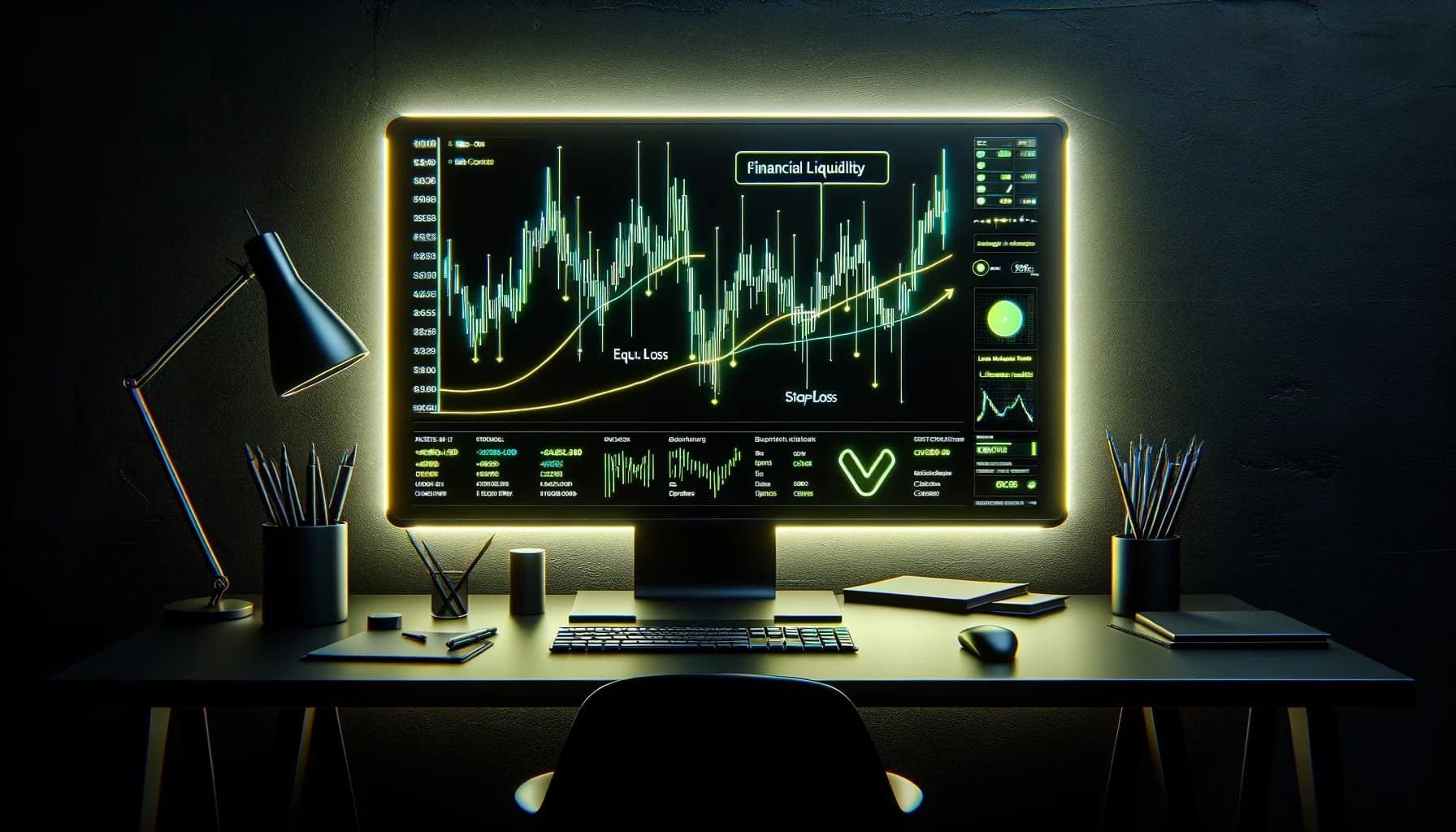
Your stop loss gets hit, price immediately reverses, and you watch your original trade idea play out perfectly without you. Sound familiar? You just experienced liquidity hunting — the market's systematic targeting of predictable stop-loss clusters.

Most retail traders think liquidity means volume or how easy it is to buy and sell. That's textbook stuff. In the real world of institutional trading, liquidity refers to pools of resting orders — mainly stop losses — sitting at predictable levels like sitting ducks.

Think of it like this: imagine you're a whale trying to buy a million shares. You can't just market-buy that size without moving price against yourself. So you need to find where sellers are forced to sell — where their stop losses sit. Then you engineer price to go grab those orders.

That's exactly what happens every day in forex, futures, and stocks. The big players don't fight the market — they create the conditions to get filled at better prices by harvesting retail stops.

What Is Liquidity in Trading

Liquidity in the Smart Money Concepts framework isn't about bid-ask spreads or trading volume. It's about concentrations of stop-loss orders that create predictable fuel for price movement.

Every time a retail trader places a stop loss at an obvious level — below a swing low, above resistance, at a round number — they're contributing to a liquidity pool. These pools become magnets for institutional players who need those orders to fill their large positions efficiently.

Picture a support level at 1.2000 in EURUSD. Hundreds of retail longs have their stops just below at 1.1990-1.1995. That's not just a price level anymore — it's a liquidity pool containing thousands of sell orders waiting to be triggered.

When price sweeps through 1.1990, all those stops become market sell orders, providing the liquidity for institutions to buy at better prices. The retail trader sees "manipulation." The institution sees efficient order execution.

💡 Nice to Know: The term "liquidity" comes from institutions literally needing liquid (available) orders to fill their positions. They can't create these orders — they have to find them where retail traders naturally place stops.

FTMO.com - Für seriöse Trader

Buy-Side and Sell-Side Liquidity

Buy-side liquidity sits above swing highs and resistance levels. These are the stop losses from retail shorts, plus breakout buy orders from momentum traders. When price sweeps through these levels, it triggers buy orders.

Sell-side liquidity rests below swing lows and support levels. Here you'll find stop losses from retail longs and breakout sell orders. A sweep through these levels triggers sell orders.

The key insight: institutions position themselves opposite to where they plan to push price. If they want to accumulate a long position, they'll engineer a move down to sell-side liquidity first. If they're distributing (selling), they'll push price up to buy-side liquidity.

Let's say you're watching GBPJPY make a series of equal highs around 185.50. That's buy-side liquidity — stops from shorts and breakout buys from momentum traders. If smart money wants to go short, they'll likely push price up to grab that liquidity first, then reverse hard to the downside.

🎯 Pro Tip: Big players need liquidity to fill their large orders — they engineer price to go to where the stops are. Think backwards: where would you place stops if you were long/short? That's where price is likely headed next.

The beauty of this framework is its simplicity. You don't need complex indicators or algorithms. Just identify where retail traders naturally place stops, and you've identified the next liquidity target.

Where Liquidity Pools Form

Liquidity doesn't form randomly. It clusters at predictable locations where retail traders feel "safe" placing their stops, or where technical analysis suggests logical entry points.

Support and resistance levels are obvious liquidity pools. Every textbook tells traders to buy at support with stops below, or short at resistance with stops above. These become concentrated areas of resting orders.

Previous swing highs and lows act like liquidity magnets. Retail traders use these as natural stop-loss levels, creating dense pools of orders. The more obvious the level, the more liquidity typically sits there.

Round numbers in forex (like 1.3000, 110.00) and psychological levels in stocks (like $100, $50) attract both stops and limit orders. These "big figure" levels become massive liquidity repositories.

Trendline breaks create liquidity on both sides. Breakout traders place stops on the wrong side of the line, while contrarian traders bet on the break failing. Either way, dense liquidity forms around these levels.

The liquidity pools that matter most are the ones visible on higher timeframes. A swing low that's been respected for weeks creates more substantial liquidity than a 15-minute level that formed yesterday.

💡 Nice to Know: Market makers often contribute to liquidity pools by placing large orders at these same technical levels. They know retail flows will eventually provide the opposite side of their trades.

FTMO.com - Für seriöse Trader

Equal Highs and Equal Lows as Liquidity Targets

Equal highs and equal lows are liquidity goldmines. When price creates multiple touches at nearly the same level, it builds up massive stop-loss clusters just beyond those points.

Think about it: every time price approaches an equal high and gets rejected, more shorts pile in with stops above that level. Each rejection adds more liquidity to the pool. The level becomes a pressure cooker of pending orders.

Equal lows work the same way. Multiple bounces from a level create more long positions, each with stops below the lows. The more times price respects the level, the juicier the liquidity pool becomes.

These formations are so reliable because they exploit basic human psychology. After seeing price reject from a level multiple times, traders become confident it will hold. They pile into trades with stops just beyond the "obvious" level.

Here's what typically happens: price approaches the equal high for the fourth or fifth time. Retail traders short again, confident in the resistance. But this time, smart money pushes through to grab all those stops before reversing in their intended direction.

🎯 Pro Tip: Equal highs and equal lows are liquidity magnets — they create clean pools of stop-loss orders that smart money targets. The more times price respects the level, the more stops accumulate just beyond it.

The most powerful equal highs and lows span multiple timeframes. A level that creates equal highs on both the 4-hour and daily charts will have institutional-sized liquidity pools.

⚠️ Watch Out: Not every spike through a level is a liquidity sweep — sometimes it's a genuine breakout. Look for immediate reversal back into the range as confirmation of a liquidity grab.

Stop Loss Clusters and Liquidity

Understanding where retail traders place stops is like having x-ray vision into market mechanics. These stop-loss clusters become the fuel for major price moves.

Most retail traders use similar logic for stop placement: below swing lows for long positions, above swing highs for shorts. Add in the algorithmic stops from Expert Advisors and trading bots using the same technical levels, and you get massive concentrations of pending orders.

ATR-based stops create another layer of predictable liquidity. Many traders place stops at 1x or 2x ATR from their entry, creating clusters around these mathematical levels. Smart money knows these calculations and targets these areas.

Percentage-based stops add to the clustering effect. Risk management rules like "never risk more than 2%" create predictable stop levels relative to account sizes and position sizing.

The most dangerous spots for retail stops are the obvious ones: just below the "last low," just above the "key resistance," or exactly at the 50% retracement level. These become hunting grounds for institutional order flow.

Professional traders place stops where retail traders won't expect them: beyond significant structure points, behind older highs/lows that retail traders have forgotten, or at levels that don't show up on lower timeframes.

💡 Nice to Know: High-frequency trading algorithms scan for these stop clusters using order flow data. They can literally see where the stops are building up and position accordingly.

The key is thinking like a stop hunter: if you were an institution needing to buy 100 million notional, where would you find the most sell orders? Wherever the most long stops are sitting.

FTMO.com - Für seriöse Trader

Why Markets Hunt Liquidity

Liquidity hunting isn't manipulation — it's business necessity. When institutions need to move serious size, they can't just hit the market with a giant order without destroying their own execution price.

Imagine trying to buy $50 million worth of EURUSD at market. You'd push price up against yourself with every purchase, paying increasingly higher prices for each chunk. Instead, smart money engineers conditions to get better fills.

Here's the process: identify where stops are clustered, position for the eventual move, push price to trigger those stops, then use the resulting liquidity to build their real position at better prices.

Market makers facilitate this by providing the initial push to trigger stops. They can absorb the temporary adverse price movement because they know the stop-triggered orders will provide them with profitable exit liquidity.

Algorithmic trading has made liquidity hunting more efficient and precise. Algorithms can calculate exactly how much liquidity sits at various levels and determine the optimal path to harvest it with minimal market impact.

The process often creates false breakouts — price spikes through a key level, triggers stops, then immediately reverses. This isn't random; it's systematic harvesting of predictable order flow.

For retail traders, this feels like the market is "out to get them." For institutions, it's simply efficient order execution. The market isn't personal — it's business.

🎯 Pro Tip: After a liquidity sweep (price spikes through a level and immediately reverses), look for the real move in the opposite direction. The liquidity grab often precedes the intended institutional move.

Understanding this dynamic transforms how you view price action. Those "unlucky" stop hits aren't bad luck — they're predictable business operations.

Liquidity and Smart Money Concepts

Liquidity sits at the heart of the Smart Money Concepts (SMC) framework. Every major SMC concept — from order blocks to liquidity sweeps — revolves around institutional liquidity needs.

Market structure breaks often coincide with liquidity grabs. Before creating a new higher high, smart money typically sweeps the liquidity above the previous high first. This provides the orders needed to facilitate their large positions.

Order blocks form at levels where institutions absorbed the liquidity from stop-loss clusters. These become high-probability reversal zones because they mark where smart money previously found sufficient liquidity to build positions.

Fair value gaps often appear after aggressive moves through liquidity pools. The rapid price movement through stops creates inefficiencies that price tends to fill later, providing additional trading opportunities.

The Wyckoff Method described this same concept decades ago as "spring" and "upthrust" actions — temporary moves beyond trading ranges to trigger stops before the real move begins.

Institutional order flow follows a predictable pattern: identify liquidity, position for the real move, grab the liquidity, then execute the intended direction. Understanding this sequence helps you position with smart money rather than against it.

The key insight from SMC is that retail traders typically provide liquidity to institutions rather than competing with them. By understanding where you naturally want to place stops, you can identify where institutions will likely push price next.

💡 Nice to Know: Many classic chart patterns work precisely because they create predictable liquidity pools. Head and shoulders, triangles, and flags all concentrate stops at obvious levels.

Market structure analysis becomes much clearer when viewed through the liquidity lens. Every structural level has liquidity implications that influence future price movement.

FTMO.com - Für seriöse Trader

Trading with Liquidity — Not Against It

The goal isn't to avoid liquidity hunting — it's to position yourself on the right side of it. Think like an institution: where do you need to go to get filled, and how can you use that information?

Identify liquidity pools before they get hit. Look for equal highs, equal lows, obvious support/resistance, and areas where retail traders naturally place stops. These become your roadmap for future price movement.

Wait for the sweep before entering trades. Let price grab the liquidity first, then look for entry in the intended direction. This approach puts you on the same side as the institutions who just harvested that liquidity.

Use liquidity as targets for existing positions. If you're short and see buy-side liquidity above, consider that a potential target area. The market will likely move there to grab those orders.

Place stops beyond where others won't expect them. Don't put your stop just below the "obvious" swing low. Go beyond a more significant structure point where fewer retail stops sit.

Think in terms of order flow, not just price levels. A support level with massive liquidity below it is different from one with minimal stops. The size of the liquidity pool affects how aggressively price will move to reach it.

Consider liquidity-to-liquidity trading: position for moves from one liquidity pool to another. If price just swept sell-side liquidity, look for moves toward buy-side liquidity and vice versa.

🎯 Pro Tip: Think like a market maker: where are the most stop losses? That's where price is likely going next. Position yourself to benefit from that movement rather than becoming the liquidity.

The most profitable approach is often counterintuitive: when everyone expects price to break higher, prepare for a move to sell-side liquidity first.

⚠️ Watch Out: Placing your stops at obvious levels makes you part of the liquidity — think about where your stop will be hunted and place it beyond that point.

Common Liquidity Mistakes

The biggest mistake is placing stops at obvious levels where every other retail trader puts theirs. Just below the swing low, just above resistance, at round numbers — these locations make you part of the liquidity pool rather than benefiting from it.

Ignoring higher timeframe liquidity leads to getting caught in smaller moves while missing the bigger picture. A 15-minute equal high means less than a daily one. Always consider the timeframe hierarchy of liquidity pools.

Assuming every liquidity sweep is fake will cost you real breakout moves. Sometimes price moves through a level and keeps going. Look for context clues like volume, higher timeframe structure, and the speed of the initial break.

Fighting against obvious liquidity grabs instead of using them as opportunities. When you see price spike through stops and immediately reverse, that's not a reason to panic — it's a signal about institutional intentions.

Overcomplicating liquidity analysis with too many indicators or complex theories. The most powerful liquidity concepts are simple: where would most traders place stops? That's where price will likely go.

Focusing only on price levels without considering the size of liquidity pools. A level that's been tested once has less stopping power than equal highs that have been respected five times. The more tests, the more liquidity.

Expecting perfect execution on every liquidity play. Some sweeps fail, some breakouts are real, and market conditions change. Liquidity analysis is a probability game, not a guarantee.

💡 Nice to Know: Professional traders often intentionally place stops at unusual levels to avoid being part of retail liquidity pools. They might use ATR multiples, Fibonacci extensions, or older structure points.

Revenge trading after getting stopped out by a liquidity sweep compounds the problem. Getting hunted once is part of the business. Getting hunted repeatedly means you're not learning from the market's lessons.

⚠️ Watch Out: Liquidity analysis is not an exact science — it requires experience and context to read correctly. Start with obvious examples and build your pattern recognition over time.

FTMO.com - Für seriöse Trader

Key Takeaways

Liquidity in trading represents clusters of stop-loss orders at predictable levels, not just volume or ease of execution. Understanding this institutional perspective transforms how you read price action.

Buy-side liquidity sits above highs and resistance levels, while sell-side liquidity rests below lows and support. Institutions typically move opposite to their intended direction first, harvesting the necessary liquidity before executing their real positions.

Equal highs and equal lows create the most reliable liquidity pools because they exploit natural human psychology. The more times price respects a level, the more stops accumulate just beyond it, making it an inevitable target.

Stop-loss clusters form at obvious technical levels where retail traders feel safe placing orders. These predictable patterns become hunting grounds for institutional order flow seeking efficient execution.

Markets hunt liquidity out of business necessity, not manipulation. Large players need opposing orders to fill their positions without adverse price impact, making retail stops a valuable resource.

The most successful approach involves trading with institutional flow rather than against it. Identify liquidity pools, wait for sweeps, then position for moves in the intended institutional direction.

Common mistakes include placing stops at obvious levels, ignoring higher timeframe structure, and fighting against clear liquidity operations. The key is thinking like an institution while avoiding becoming their liquidity source.

This understanding connects naturally to the broader Smart Money Concepts framework, where liquidity hunting precedes order block formation and false breakout strategies become more systematic and predictable.

FAQ

Why do markets always hit my stop loss and then reverse?

You're likely placing stops at obvious levels where many other traders also place theirs, creating liquidity pools that institutions target. Place stops beyond the obvious level — behind a larger structure point or use ATR-based stops instead of the "logical" technical level.

What's the difference between buy-side and sell-side liquidity?

Buy-side liquidity sits above swing highs and resistance (stops from shorts + breakout buys), while sell-side liquidity rests below swing lows and support (stops from longs + breakout sells). Institutions typically harvest the liquidity opposite to their intended direction first.

How can I tell if a breakout is real or just a liquidity grab?

Real breakouts typically show sustained momentum and don't immediately reverse back into the range. Liquidity grabs spike through the level quickly and reverse just as fast, often within a few candles.

Should I avoid placing stops altogether to prevent getting hunted?

No — stops are essential risk management tools. Instead, place them at levels where fewer retail traders think to put theirs: beyond significant higher timeframe structure, at unusual ATR multiples, or behind older swing points that aren't obvious on current charts.


Next Read: Dive deeper into practical applications with Liquidity Sweeps — How Institutions Engineer Stop Hunts, where you'll learn to identify and trade these setups systematically across different market conditions.

Was this helpful?

Continue Learning

Liquidity in Trading — Why Markets Hunt Your Stops | indicator.trading