indicator.trading
Footprint Charts — X-Ray Vision Into Order Flow

Footprint Charts — X-Ray Vision Into Order Flow

advancedVolume Strategies11 min read

Regular candlestick charts show you where price went. Footprint charts show you exactly how it got there — revealing every bid and ask order that traded at each price level inside every candle.

Think of it as an X-ray machine for market activity. While everyone else sees the skeleton (price movement), you see the muscles, tendons, and organs (the actual order flow) that created that movement.

This isn't some mystical trading unicorn. Footprint charts display real bid/ask volume at every price level, showing you when buyers are aggressive versus when sellers are dominating. They reveal order flow imbalances before price moves, absorption patterns when smart money enters, and exactly where initiative activity (aggressive orders) is happening.

But here's the thing — footprint charts have a brutal learning curve. You can't just install the platform and start making money. You need to understand market microstructure, order types, and how institutional flow actually works.

What Are Footprint Charts

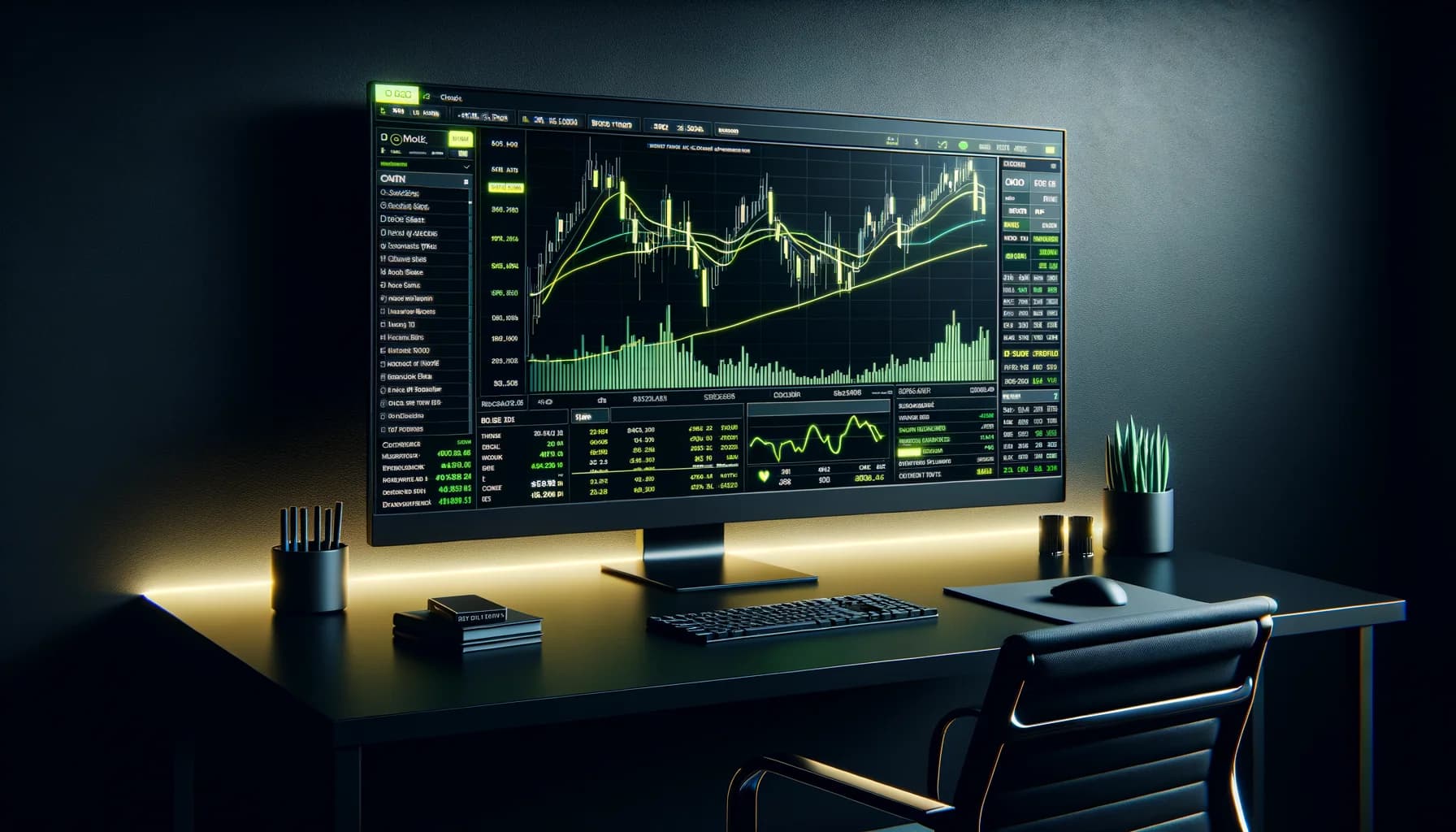
A footprint chart takes each candlestick and breaks it down into granular detail. Instead of just showing open, high, low, and close, it displays the actual volume traded at each price level within that time period.

Every price tick inside the candle shows two numbers: volume that traded on the bid (sellers hitting bids) and volume that traded on the ask (buyers lifting offers). This creates a detailed footprint of how the auction process unfolded.

Traditional volume indicators give you one number per candle — total volume. Footprint charts give you dozens of data points per candle, each telling you whether that specific price level saw aggressive buying or aggressive selling.

The visual layout resembles a ladder or matrix. Price levels run vertically on the left. Time periods run horizontally. Inside each cell, you see the bid and ask volume that traded at that exact price and time.

⚠️ Watch Out: Footprint charts only work with real exchange volume — forex footprints based on tick data are unreliable since forex has no centralized exchange.

FTMO.com - Für seriöse Trader

How Footprint Charts Display Order Flow

The magic happens in understanding aggressive versus passive orders. When a buyer places a market order to buy 500 shares immediately, that's aggressive buying — it shows up as volume on the ask side of the footprint because the buyer "lifted the offer."

When a seller places a market order to sell 300 shares immediately, that's aggressive selling — it appears as volume on the bid side because the seller "hit the bid."

The footprint shows this real-time battle. If you see 1,200 contracts trade on the ask but only 400 on the bid at a specific price level, buyers were clearly more aggressive. That order flow imbalance often predicts price direction.

Here's a concrete example: ES (S&P 500 futures) trades at 4,250. In one 5-minute period, you see 2,800 contracts trade on the ask versus 900 on the bid at that level. Buyers are overwhelming sellers with aggressive orders. Price will likely move higher as this imbalance gets resolved.

💡 Nice to Know: Professional traders often refer to this as "reading the tape" — a throwback to when floor traders watched actual ticker tape to see order flow in real-time.

Reading Bid × Ask Footprint

The bid × ask footprint is the most common display format. Each price level shows two numbers separated by an "x" or displayed side by side — bid volume on the left, ask volume on the right.

Look at a typical cell: "450 × 1200" at the 4,251 price level. This means 450 contracts traded on the bid (aggressive selling) while 1,200 contracts traded on the ask (aggressive buying) at that price.

The larger number tells the story. When ask volume dominates, buyers are more aggressive. When bid volume dominates, sellers are taking control. But don't get caught up analyzing every single imbalance — focus on the meaningful ones.

What makes an imbalance meaningful? Size and context. A 300 × 1,500 imbalance during the opening 30 minutes carries more weight than a 15 × 45 imbalance during lunch hour. Volume and initiative activity matter.

You'll also see color coding in most platforms. Green typically indicates ask dominance (aggressive buying), red shows bid dominance (aggressive selling), and white or neutral colors represent balanced volume.

🎯 Pro Tip: Use footprint charts on 5-minute or higher timeframes for clarity — 1-minute footprints are often too noisy for reliable analysis.

FTMO.com - Für seriöse Trader

Imbalances and Stacked Imbalances

Single imbalances happen constantly and mean little by themselves. Stacked imbalances tell a different story entirely. When you see 3+ consecutive price levels all showing the same directional bias, institutions are actively working large orders.

Picture this scenario in NQ (Nasdaq futures): You spot stacked buying imbalances at 15,450, 15,451, and 15,452. Each level shows ask volume 2-3 times higher than bid volume. This suggests a large buyer is aggressively lifting offers across multiple price levels.

Stacked imbalances create the most reliable footprint signals because they indicate sustained institutional activity rather than random retail flow. When smart money moves size, they can't hide it across multiple price levels.

The pattern works in reverse too. Stacked selling imbalances (heavy bid volume across consecutive levels) warn of aggressive institutional selling before price drops become obvious on regular charts.

Context matters enormously. Stacked buying imbalances near significant support levels carry more weight than the same pattern in the middle of a range. Similarly, stacked selling imbalances near resistance or after extended rallies deserve attention.

🎯 Pro Tip: Stacked imbalances (3+ consecutive price levels with buy or sell imbalance) indicate aggressive institutional activity and often precede significant price moves.

Delta Footprint Analysis

Delta in footprint analysis measures the difference between aggressive buying and aggressive selling. Positive delta means more volume traded on the ask (buyers more aggressive). Negative delta indicates more volume on the bid (sellers more aggressive).

Most footprint platforms calculate cumulative delta for each candle and for the entire session. This running tally reveals whether buying or selling pressure is building over time, even when price action looks choppy or unclear.

Here's how it works practically: ES opens at 4,250 and trades in a tight range between 4,248 and 4,252 for two hours. Regular charts show sideways chop. But cumulative delta keeps climbing positive, revealing persistent buying pressure despite the range-bound price action.

Delta volume analysis becomes even more powerful when combined with footprint data because you see exactly where that delta is coming from — which specific price levels are generating the imbalanced flow.

Divergences between price and delta often signal impending breakouts. When price makes new lows but delta remains positive (buyers still more aggressive), the selling is likely exhausted. Conversely, new price highs with negative delta warn that buying is drying up.

💡 Nice to Know: Delta is calculated in real-time, so you can spot developing imbalances before the candle closes — giving you early warning of potential moves.

FTMO.com - Für seriöse Trader

Volume Footprint vs Bid/Ask Footprint

Volume footprint displays total volume at each price level without separating bid and ask. Bid/ask footprint breaks down that volume by aggressive buying versus aggressive selling. Both have their place, but bid/ask provides much richer information.

Volume footprint works well for identifying high-volume price levels that might act as support or resistance. If 5,000 contracts traded at 4,255 during the morning session, that level deserves attention when price returns.

But bid/ask footprint tells you why that volume occurred. Maybe 4,800 contracts traded on the ask and only 200 on the bid — revealing aggressive buying that should create strong support. Or perhaps it was 2,500 bid and 2,500 ask — balanced volume that might not hold as well.

The bid/ask breakdown becomes crucial during absorption patterns. When price approaches a key level with heavy selling pressure but fails to break through, you might see enormous bid volume (passive buyers absorbing the aggressive selling) without much price movement.

This absorption signal often marks important turning points. The passive orders are essentially saying "we'll buy everything you want to sell at this price" — and once that aggressive selling is exhausted, price typically reverses sharply.

⚠️ Watch Out: Don't micro-analyze every imbalance — focus on imbalances at key price levels and during high volume periods.

Footprint Charts for Entry Timing

Footprint charts excel at precise entry timing, especially for scalping and day trading. They show you exactly when the order flow shifts from balanced to imbalanced, often 1-2 bars before price follows.

The classic setup involves watching for initiative activity at key technical levels. Say ES approaches major support at 4,200 after a multi-day decline. Regular charts show price testing the level, but footprint charts reveal whether buyers are stepping up aggressively.

If you see stacked buying imbalances as price hits 4,200 — heavy ask volume at 4,200, 4,201, and 4,202 — that's your signal. Buyers are aggressively defending the level. You can enter long with confidence because the order flow confirms what the technical analysis suggested.

The opposite works for resistance levels. As price approaches overhead resistance, watch for stacked selling imbalances or absorption patterns where passive sellers absorb aggressive buying.

Finished auctions provide another powerful entry signal. These appear as single prints at swing extremes — price levels that traded only once with heavy directional volume before immediately reversing.

🎯 Pro Tip: Look for finished auctions (single prints at extremes) — they mark key levels where one side completely dominated and often become important support or resistance.

Understanding order flow basics becomes essential here because footprint trading is really about reading institutional behavior through the lens of market microstructure.

FTMO.com - Für seriöse Trader

Footprint Chart Platforms and Tools

NinjaTrader offers excellent built-in footprint capabilities with customizable color schemes and multiple display options. Their bid/ask footprint includes delta calculations and works seamlessly with automated strategies.

Sierra Chart provides the most comprehensive footprint analysis tools, including advanced features like time and sales integration and custom footprint indicators. The learning curve is steep but the functionality is unmatched.

TradingView recently added basic footprint charts, but they lack the depth needed for serious order flow analysis. Fine for learning concepts, inadequate for professional trading.

Bookmap takes a different approach with their visual order book, showing volume at each price level in real-time. Not technically a footprint chart, but provides similar order flow insights.

Most professional day traders use NinjaTrader or Sierra Chart connected to live exchange data feeds. Delayed data makes footprint analysis pointless since order flow changes by the second.

The key is finding a platform that displays the information clearly without overwhelming you with data. Too much information becomes counterproductive — you need to see the important imbalances quickly.

💡 Nice to Know: Many platforms allow you to filter out small imbalances below a certain threshold, helping you focus on meaningful institutional activity rather than retail noise.

Common Footprint Chart Mistakes

New footprint traders typically make the same mistakes. They try to analyze every single imbalance instead of focusing on meaningful patterns at key price levels. It's like trying to read every word in a newspaper when you only need the headlines.

Over-analysis paralysis kills more footprint traders than anything else. They see a small imbalance and immediately assume it predicts price direction. Most imbalances are just noise — random retail orders that mean nothing.

Another common mistake is ignoring the time element. A 500 × 1,500 imbalance that develops over 30 seconds carries different weight than the same imbalance spread over 10 minutes. Concentrated aggressive activity in short time periods matters more.

Many traders also fail to consider market context. Buying imbalances during a strong downtrend might just be short covering, not genuine institutional accumulation. The same imbalance near major support tells a different story.

Platform jumping wastes enormous time. Each footprint platform displays information slightly differently. Master one platform completely before even considering alternatives.

⚠️ Watch Out: Footprint charts have a steep learning curve — don't try to trade them before spending months studying actual market behavior and order flow patterns.

FTMO.com - Für seriöse Trader

Key Takeaways

Footprint charts reveal the order flow mechanics behind every price move by showing bid and ask volume at each price level. This granular data helps you see institutional activity before it becomes obvious in regular charts.

Focus on stacked imbalances across multiple price levels rather than isolated single-level imbalances. When 3+ consecutive levels show the same directional bias, institutions are actively working large orders.

Absorption patterns mark crucial turning points where passive orders absorb aggressive flow without much price movement. These often occur at key support and resistance levels.

Use footprint analysis for precise entry timing rather than trade direction. Combine footprint signals with solid technical analysis for the best results.

The learning curve is brutal but worthwhile for active day traders and scalpers. Spend months studying before risking real money, and focus on major markets with reliable exchange volume data.

Remember that footprint charts are advanced tools, not magic bullets. Many successful traders never use them. Master basic market profile concepts and volume analysis first.

Next Read: Delta Volume — Revealing Hidden Buying and Selling Pressure — Learn how to track cumulative buying and selling pressure across multiple timeframes.

FAQ

Do I need footprint charts to trade successfully?

No. Footprint charts are an advanced tool that can improve precision but many successful traders never use them. Master price action and volume basics first. Footprints add edge for day traders and scalpers.

What's the minimum timeframe for reliable footprint analysis?

Five-minute charts or higher work best. One-minute footprints contain too much noise from random retail orders. Longer timeframes like 15-30 minutes show clearer institutional patterns.

Can I use footprint charts for swing trading?

Footprint charts work better for intraday trading since order flow patterns typically resolve within hours, not days. For swing trading, focus on daily volume and longer-term institutional flow indicators instead.

Was this helpful?

Continue Learning

Footprint Charts — X-Ray Vision Into Order Flow | indicator.trading