indicator.trading
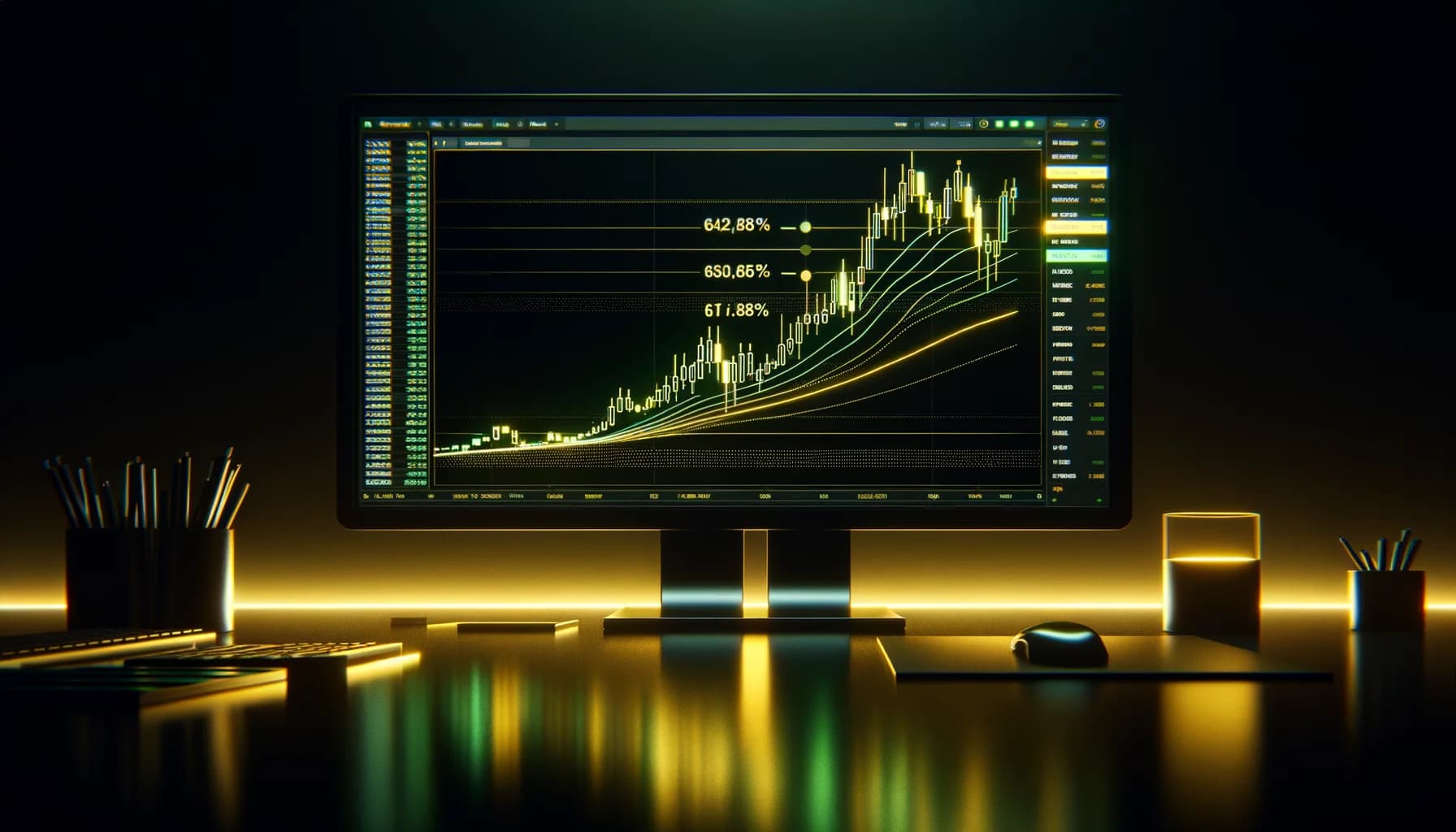
Fibonacci 61.8% bounce on dark trading chart

Fibonacci Retracement — Why Markets Respect the Golden Ratio

intermediateSupport & Resistance11 min read

Nature loves the Fibonacci sequence. Sunflower spirals, nautilus shells, and galaxy arms all follow these mathematical ratios. Markets? They respect them too.

Fibonacci retracement uses specific percentages — 38.2%, 50%, 61.8%, and 78.6% — to predict where price might find support or resistance during pullbacks. These aren't magical levels. They work because millions of traders watch them, creating what economists call a self-fulfilling prophecy.

Think of Fibonacci like speed bumps on price's highway. Not every car (trade) will stop at every speed bump, but enough do to create predictable congestion points.

What Is Fibonacci Retracement

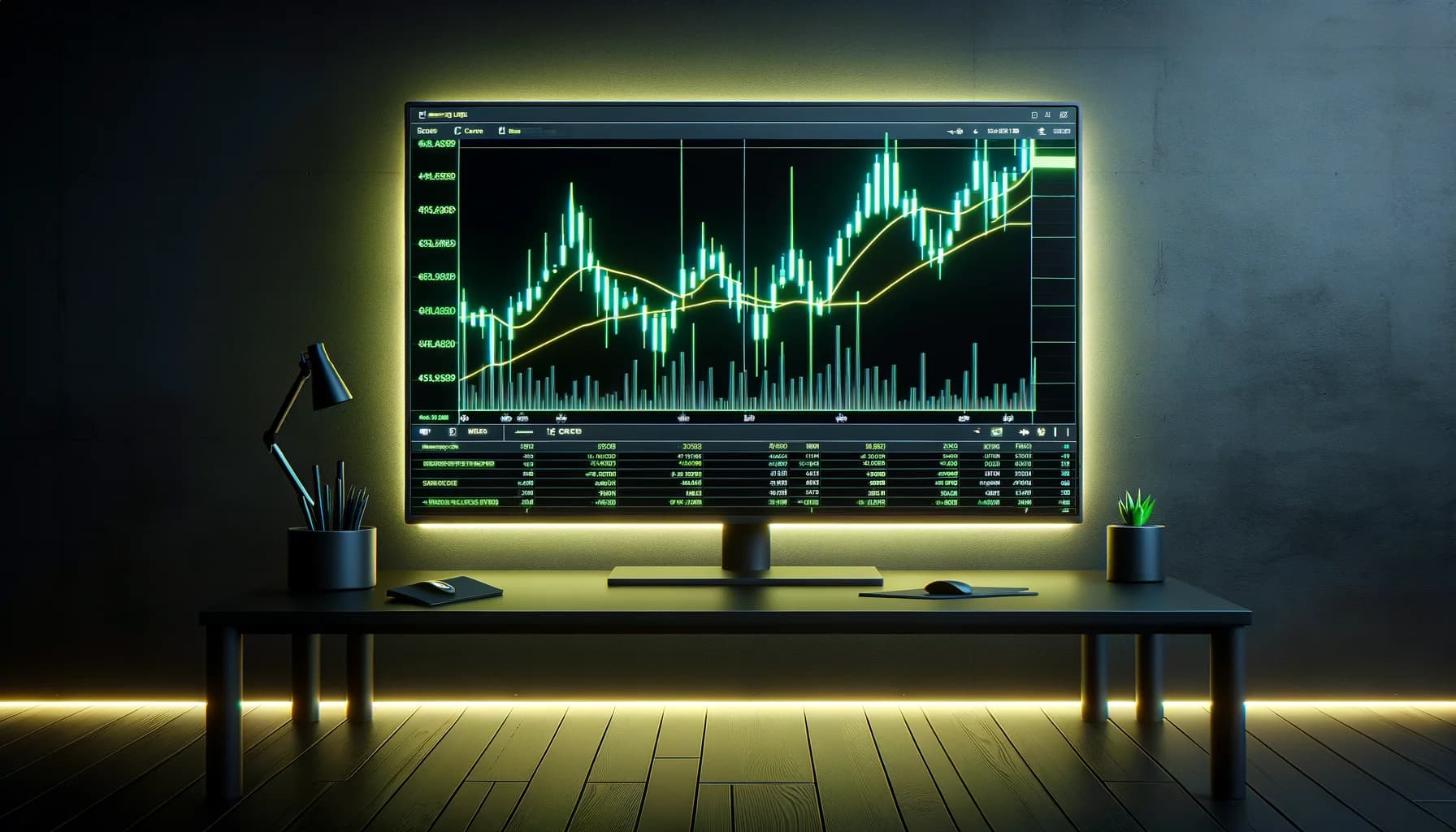
Fibonacci retracement maps mathematical ratios onto price swings to identify potential reversal zones. You draw it from a significant low to high (or high to low), and the tool automatically plots horizontal lines at key percentage levels.

The math comes from the golden ratio — approximately 1.618 — and its inverse, 0.618. These ratios appear everywhere in nature and, it turns out, in market psychology too.

Here's how it works in practice: EUR/USD rallies from 1.0500 to 1.1000 (a 500-pip move). Fibonacci retracement suggests the pullback might find support around:

  • 38.2% retracement: 1.0809
  • 50% retracement: 1.0750
  • 61.8% retracement: 1.0691

💡 Nice to Know: Leonardo Fibonacci didn't invent this sequence. He introduced it to Western mathematics in 1202 after learning it from Indian mathematicians. The trading application came much later — probably in the 1970s with the rise of technical analysis.

The beauty lies in simplicity. Draw one line, get multiple target zones. No complex calculations needed.

Most platforms include Fibonacci tools. TradingView, MetaTrader, and Think or Swim all have built-in Fibonacci retracement functions that do the math for you.

🎯 Pro Tip: Fibonacci works because enough traders use it — it's a self-fulfilling prophecy, but that doesn't make it less valid. Embrace this reality instead of searching for mystical explanations.

FTMO.com - Für seriöse Trader

The Key Levels

Four Fibonacci levels matter most in trading. Each has its own personality and probability profile.

38.2% retracement represents shallow pullbacks. Strong trends often hold above this level. If you're trading with the dominant trend, 38.2% offers early re-entry opportunities. Think of it as a gentle tap on the brakes — price slows but doesn't really reverse.

50% retracement isn't technically a Fibonacci ratio, but traders obsess over halfway points. The 50% level acts like a psychological magnet. Market makers know this and often run stops just above or below it before continuing the original move.

61.8% retracement — the famous golden ratio — commands the most respect. This level represents deeper pullbacks that test trend strength without breaking it. Professional traders call this the "golden pocket" for entries.

78.6% retracement signals trouble for the original trend. When price retraces this deep, you're often seeing trend change rather than temporary pullback. Use 78.6% as your "line in the sand" — beyond here, your trend bias needs reconsideration.

💡 Nice to Know: The 61.8% level appears in Elliott Wave theory as the most common retracement depth for Wave 2 and Wave 4 corrections. This adds another layer of trader psychology to its effectiveness.

Different markets favor different levels. Currency pairs often respect 61.8%. Stock indices sometimes bounce harder off 50%. Commodities can be more erratic. Pay attention to your chosen market's personality over time.

⚠️ Watch Out: Fibonacci levels are zones, not exact lines — allow for wick-throughs. Price might spike 10-20 pips beyond a level before reversing. Don't get stopped out by normal market noise.

How to Draw Fibonacci Correctly

Drawing Fibonacci retracement correctly separates profitable traders from frustrated ones. The tool only works when applied to meaningful price swings.

Start with impulse moves — clear, decisive price action in one direction. Avoid choppy, sideways grinding. You want obvious swing lows and swing highs that any trader could identify on the chart.

For uptrends, click and drag from the swing low to the swing high. For downtrends, drag from swing high to swing low. Most platforms automatically adjust the tool regardless of which direction you drag, but being consistent helps your muscle memory.

Choose significant swings that lasted several days to several weeks. Day traders can use 4-hour swings, but anything shorter than that produces unreliable levels. The more obvious the swing, the more traders will draw the same Fibonacci levels you're drawing.

🎯 Pro Tip: Draw Fibonacci from the impulse swing low to high (or high to low) — not from random points. If you can't immediately identify the swing points, the move probably isn't clean enough for Fibonacci analysis.

Time your drawing after the swing completes, not during it. Wait for price to clearly reverse and start moving in the opposite direction before plotting your levels. Premature drawing leads to constantly adjusting levels, which defeats the purpose.

Multiple swings create multiple Fibonacci sets. A weekly swing might show 61.8% at $150, while a daily swing shows 50% at $148. These confluence zones where multiple Fibonacci levels cluster often provide the strongest support or resistance.

⚠️ Watch Out: Drawing Fibonacci on choppy/sideways price action produces meaningless levels. Stick to clear impulse moves that any trader could identify at first glance.

FTMO.com - Für seriöse Trader

The OTE Zone (0.618-0.786)

The Optimal Trade Entry (OTE) zone sits between 61.8% and 78.6% retracement levels. This sweet spot offers the best risk-reward for pullback entries, especially in Smart Money Concepts trading approaches.

Institutional traders often accumulate positions in this zone. They're not trying to catch exact bottoms — they're building size where retail traders capitulate. The 61.8% level triggers initial buying, while 78.6% represents their final loading zone before trend resumption.

Here's how to trade the OTE zone: Wait for price to enter between 61.8% and 78.6%. Look for reversal signals — bullish order blocks, demand zones, or candlestick patterns. Enter with stops below 78.6% and targets at the previous swing high (or beyond using Fibonacci extensions).

The zone works particularly well on higher timeframes. Daily and 4-hour OTE zones carry more weight than 1-hour zones. Institutions make decisions on these timeframes, creating the liquidity that makes the levels work.

💡 Nice to Know: The 0.618-0.786 zone (OTE) is where the highest-probability pullback entries occur in SMC. Smart Money Concepts traders often ignore other Fibonacci levels and focus exclusively on this golden zone.

Risk management becomes crucial here. The OTE zone can fail, especially during trend changes disguised as pullbacks. Always use stops below 78.6%, and don't risk more than 1-2% of your account on any single OTE setup.

Market structure provides context. If the OTE zone aligns with a broken resistance level (now support) or an untested order block, your probability increases significantly. Confluence matters more than the Fibonacci levels alone.

🎯 Pro Tip: Combine Fibonacci with horizontal S/R for the strongest confluence zones. When the 61.8% level aligns with a major support level, you've found institutional-grade entry opportunities.

Fibonacci Extensions for Targets

Fibonacci extensions project potential profit targets beyond the original swing. While retracements handle entries, extensions handle exits — completing your trade plan before you enter.

The key extension levels are 127.2% and 161.8%. These represent natural profit-taking zones where price often stalls or reverses. Smart traders book profits at these levels instead of hoping for infinite trends.

Here's the setup: EUR/USD falls from 1.1000 to 1.0500, then bounces to 1.0700 (38.2% retracement). Extensions project targets below the original 1.0500 low:

  • 127.2% extension: 1.0246
  • 161.8% extension: 1.0077

Extensions work because they represent mathematical harmony. Market makers understand these relationships and often place their own profit targets at extension levels, creating natural resistance points.

Use extensions for trend continuation trades. After price retraces to your Fibonacci level and reverses, extensions show where the next leg might end. This turns Fibonacci into a complete trading system — entries from retracements, exits from extensions.

💡 Nice to Know: The 161.8% extension often marks significant trend exhaustion points. Many major market reversals occur near this level, making it valuable for both profit-taking and counter-trend entries.

Multiple extension sets create target clusters. A 127.2% extension from one swing might align with a 161.8% extension from another swing. These confluence zones offer high-probability exit points for trend trades.

Don't wait for exact extension touches. Start taking profits 10-20 pips before major extension levels. This accounts for spread, slippage, and the reality that markets rarely hit mathematical targets perfectly.

FTMO.com - Für seriöse Trader

Fibonacci + Order Blocks

Order blocks and Fibonacci retracements create powerful confluence when combined properly. Order blocks mark institutional footprints — zones where banks and funds entered large positions. When Fibonacci levels align with these zones, probability skyrockets.

The setup looks like this: Identify a strong impulse move that leaves behind an order block. Draw your Fibonacci retracement from the move's start to finish. Look for confluence where Fibonacci levels intersect with the order block zone.

Bullish order blocks sitting at 61.8% retracement levels offer premium entries. The order block shows where institutions bought previously, while the Fibonacci level confirms mathematical support. This combination attracts both algorithmic and discretionary traders.

Smart Money Concepts traders prioritize this confluence above almost everything else. They understand that institutional order flow (shown by order blocks) plus mathematical levels (shown by Fibonacci) creates the highest-probability setups available.

🎯 Pro Tip: The combination works best on higher timeframes. Daily order blocks aligning with 4-hour Fibonacci levels carry more weight than 15-minute combinations. Institutions operate on longer timeframes, so their footprints matter more there.

Entry technique matters here. Don't buy immediately when price hits the confluence zone. Wait for confirmation — a bullish engulfing candle, hammer, or morning star. The confluence identifies the zone; candlestick patterns time the entry.

Risk management stays consistent. Stop losses go below the order block and below the 78.6% Fibonacci level — whichever is lower. Targets use Fibonacci extensions or the previous swing high, depending on your trend following approach.

⚠️ Watch Out: Not every Fibonacci/order block confluence works. During strong trend changes, even perfect confluence zones can fail. Always use proper position sizing and stop losses.

Fibonacci + Support/Resistance

Traditional support and resistance levels gain extra power when they align with Fibonacci retracements. This confluence represents the intersection of horizontal levels (where price reacted before) and mathematical levels (where traders expect reactions).

Support and resistance operates on trader memory — price levels where significant buying or selling occurred previously. Fibonacci operates on trader expectation — levels where mathematics suggests reactions should occur. When both point to the same zone, you've found institutional-grade opportunities.

The strongest setups occur when major support/resistance levels align with 61.8% retracements. These zones attract orders from multiple trader types: traditional technical analysts watching horizontal levels, Fibonacci traders watching mathematical levels, and algorithmic systems programmed for both.

Pivot points create natural confluence with Fibonacci levels. Daily pivot points calculate mathematical support and resistance that updates each session. When a daily R1 or S1 level aligns with a 50% or 61.8% Fibonacci level, you've found a high-probability zone.

💡 Nice to Know: Professional trading desks often maintain "confluence spreadsheets" that track multiple analysis types. They're looking for zones where fundamental analysis, technical analysis, and quantitative models all agree.

Volume adds another confirmation layer. If a Fibonacci/support confluence zone shows high volume on previous tests, it's more likely to hold again. Volume represents actual money flow, while Fibonacci and support/resistance show potential flow.

Time your entries carefully at these confluence zones. Don't assume they'll hold immediately. Use limit orders slightly above support/Fibonacci confluence in uptrends, or slightly below resistance/Fibonacci confluence in downtrends.

The concept extends to mean reversion strategies. When price stretches far from major support/resistance levels, mean reversion suggests eventual return to these levels. Fibonacci retracements help predict where that return might stall.

FTMO.com - Für seriöse Trader

Common Fibonacci Mistakes

Even experienced traders make Fibonacci mistakes that sabotage their results. Avoiding these errors separates profitable Fibonacci trading from expensive lessons.

Drawing on insignificant swings tops the mistake list. New traders draw Fibonacci on every small wiggle, creating meaningless levels that provide false confidence. Stick to swings that lasted multiple days and covered significant price distance.

Using Fibonacci in isolation destroys accounts faster than any other technical error. Fibonacci levels show potential zones, not guaranteed reversals. Always combine them with other analysis — confluence multiplies probability while isolation divides it.

⚠️ Watch Out: Don't use Fibonacci in isolation — it's a confluence tool, not a standalone strategy. The most profitable Fibonacci setups combine mathematical levels with order flow, sentiment, or fundamental analysis.

Expecting exact reversals frustrates traders who don't understand market microstructure. Price often spikes through Fibonacci levels by 10-50 pips before reversing. Use zone-based thinking instead of line-based expectations.

Overcomplicating with multiple timeframes creates analysis paralysis. Don't draw Fibonacci on five different timeframes simultaneously. Choose one primary timeframe for analysis and stick with it for that trade.

Ignoring market context kills Fibonacci effectiveness. During major news events or trend changes, mathematical levels matter less than fundamental forces. Don't fight central bank announcements with 61.8% retracements.

Poor stop placement amplifies losses unnecessarily. Stops belong beyond meaningful Fibonacci levels — typically below 78.6% for long entries or above 21.4% (100% minus 78.6%) for short entries. Tight stops inside Fibonacci zones get hunted by market makers.

Chasing perfect entries causes missed opportunities. If price bounces from 65% instead of exactly 61.8%, don't wait for a "better" entry that might never come. Close enough often proves good enough in fast-moving markets.

Key Takeaways

Fibonacci retracements work because mathematics meets psychology in predictable ways. The 61.8% golden ratio attracts the most attention, while the 0.618-0.786 OTE zone offers optimal risk-reward for trend continuation trades.

Draw Fibonacci only on clear, significant price swings. Choppy markets produce meaningless levels that waste time and capital. Wait for obvious impulse moves that any trader could identify.

Confluence amplifies Fibonacci effectiveness. Combine mathematical levels with order blocks, support/resistance, or pivot points. Single-method analysis belongs in textbooks, not trading accounts.

Extensions complete your trade plan by providing mathematical profit targets. The 127.2% and 161.8% levels mark natural exhaustion zones where smart money takes profits.

Risk management remains paramount. Fibonacci levels suggest probable zones, not guaranteed outcomes. Use proper stops below 78.6% retracements and never risk more than 1-2% per trade, regardless of how perfect the setup appears.

Market context overrides mathematical perfection. During major fundamental shifts or trend changes, respect price action over Fibonacci levels. Mathematics describes normal market behavior — it can't predict every anomaly.

Practice builds intuition. Start by identifying Fibonacci levels on historical charts before risking capital. Watch how different markets respond to different levels over time. Currency pairs might favor 61.8%, while commodities prefer 50%.

Remember: Fibonacci works because millions of traders use it, creating self-fulfilling prophecies at key levels. Embrace this reality and profit from collective behavior rather than searching for mystical explanations.

FTMO.com - Für seriöse Trader

FAQ

Why does the 61.8% level work?

The 61.8% (golden ratio) is the most watched Fibonacci level. Institutional and algorithmic traders program entries around it. Its effectiveness is partly mathematical, partly self-fulfilling through widespread use.

Should I use Fibonacci on all timeframes?

Focus on one primary timeframe per trade. Higher timeframes (daily, 4-hour) carry more weight because institutions operate there. Multiple timeframes create confusion more often than clarity.

What's the difference between retracements and extensions?

Retracements identify potential entry zones during pullbacks. Extensions project profit targets beyond the original swing. Use retracements for entries, extensions for exits.

How do I know if a Fibonacci level will hold?

You don't. Fibonacci shows probable zones, not guarantees. Look for confluence with other analysis methods, watch for volume confirmation, and always use proper stops below meaningful levels.

Can Fibonacci work in sideways markets?

No. Fibonacci requires clear trending moves to produce meaningful levels. Sideways markets create random ratios that don't attract institutional attention. Wait for obvious impulse moves.


Ready to add calculated support and resistance to your toolkit? Pivot Points — Calculated Support & Resistance for Day Traders offer another approach to mathematical levels that update daily for active traders.

Was this helpful?

Continue Reading

Pivot Points — Calculated Support & Resistance for Day Traders

Pivot Points offer another approach to calculated support and resistance — and they update daily for day traders.

Continue Learning

Fibonacci Retracement — The Golden Ratio in Trading | indicator.trading